
“I saw my child’s blood flowing and his head severed. At that moment, my legs froze, and I couldn’t do anything from the shock,” Mohammed Al-Hessi expressed his devastation upon finding that shrapnel from Israeli bombardments had pierced his only child’s small body.
The ongoing Israeli genocide in Gaza didn’t only target living areas but also struck fertility centers, destroying thousands of hopes for parenthood after natural conception failed.
Families, after years of struggle and numerous attempts, turn to IVF and artificial insemination in hopes of fulfilling their longing for a child. Mohammed Al-Hessi, who had struggled with natural conception for years, finally achieved fatherhood through IVF after seven years of deprivation.
Yet, this joy was short-lived. Two years after the birth of his beloved child, the devastating war forced Mohammed, his wife, and their child to flee amid relentless bombardment.
The shells spared no mercy, hitting the small child’s body, resulting in his immediate death. Mohammed recounts with heartache: “My son was sitting next to us when the shrapnel hit him, and he died instantly.”
The pain of losing his child and the disbelief of what he saw were overwhelming. Mohammed’s wife, Shaimaa, was unable to grasp the tragedy, wishing she could have given her life to keep her child.
Mohammed tried to comfort his grieving wife, assuring her of the possibility of another chance through IVF once the war ended. He reminded her of their eight frozen embryos stored at a fertility center.
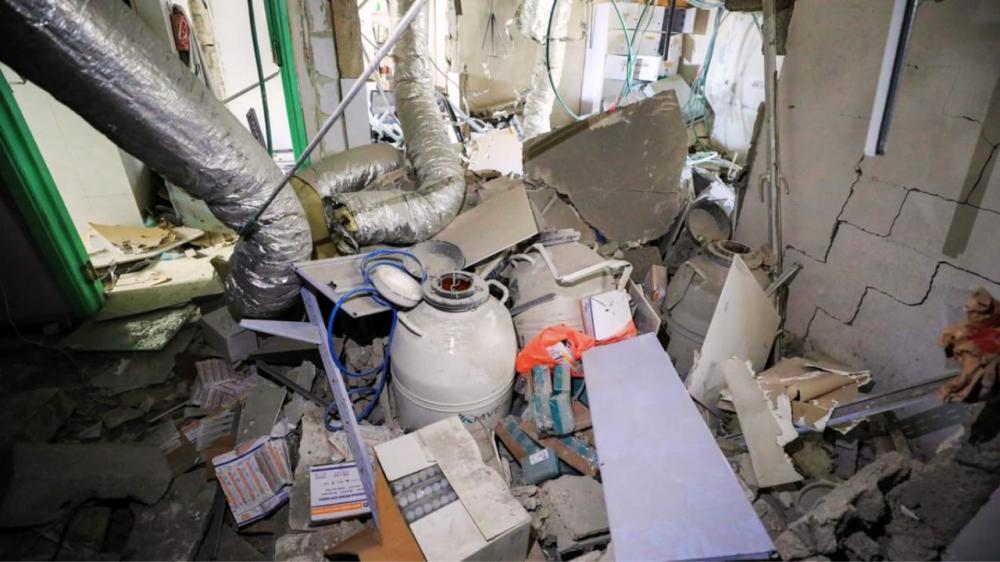
However, their hope was dashed when Mohammed learned that the fertility center had been bombed, resulting in the destruction of all their embryos. The dream of fatherhood seemed further out of reach.
Mohammed and Shaimaa now face the devastating reality of being unable to conceive again. Mohammed suffers from reduced fertility, and Shaimaa has leukemia, complicating her ability to conceive.
Dr. Mohammed Ajour, an embryo specialist at Al-Basma Medical Center, revealed that not only did Mohammed and Shaimaa suffer, but also about 4,000 frozen embryos and 1,000 unfertilized samples were lost due to the bombing. Many families, who had waited for years, now face an uncertain future, and the hope for a child remains a distant dream.